(Photo source: Envato)
Environmental protection and sustainability aren’t just slogans, they are a way of life. Earlier generations naturally practised eco-friendly habits as part of a simple, resource-conscious lifestyle. Today, in a world of abundance and convenience, we may need to be more intentional and mindful about our daily choices, and the impact they have on the environment.
In conjunction with Earth Day on 22 April, two Tzu Chi volunteers who have dedicated over a decade to environmental work share their observations and reflections from years of promoting environmental education. Having journeyed from youth into midlife through this work, what do they hope to say to the younger generation?
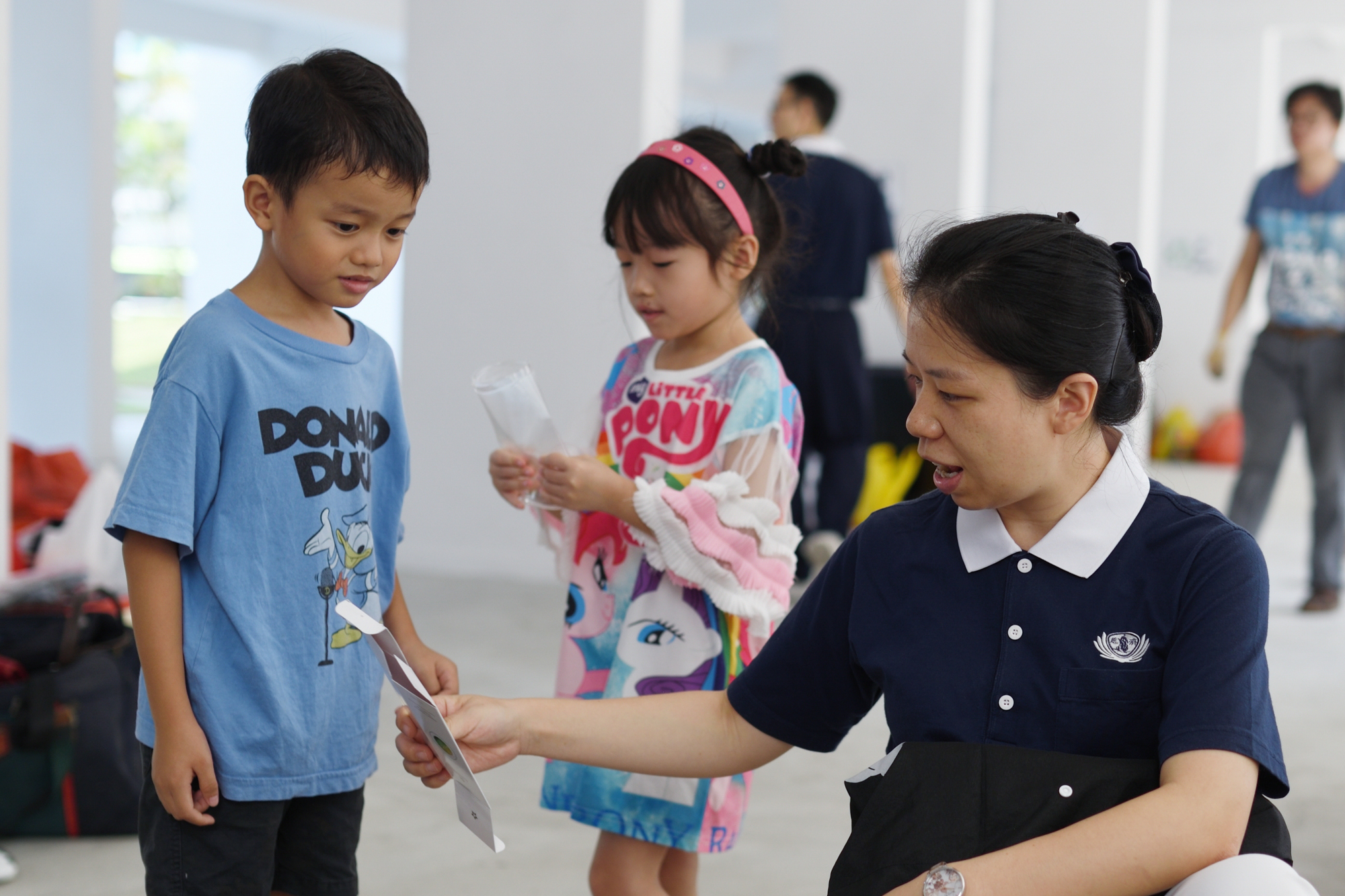
Wong Sin Hwa (right).(Photo by Lai Tong Heng)
Q: Tzu Chi designates the third Sunday of every month as “Environmental Sustainability Day”. Why use the term “sustainability”?
Chua Wee Chong
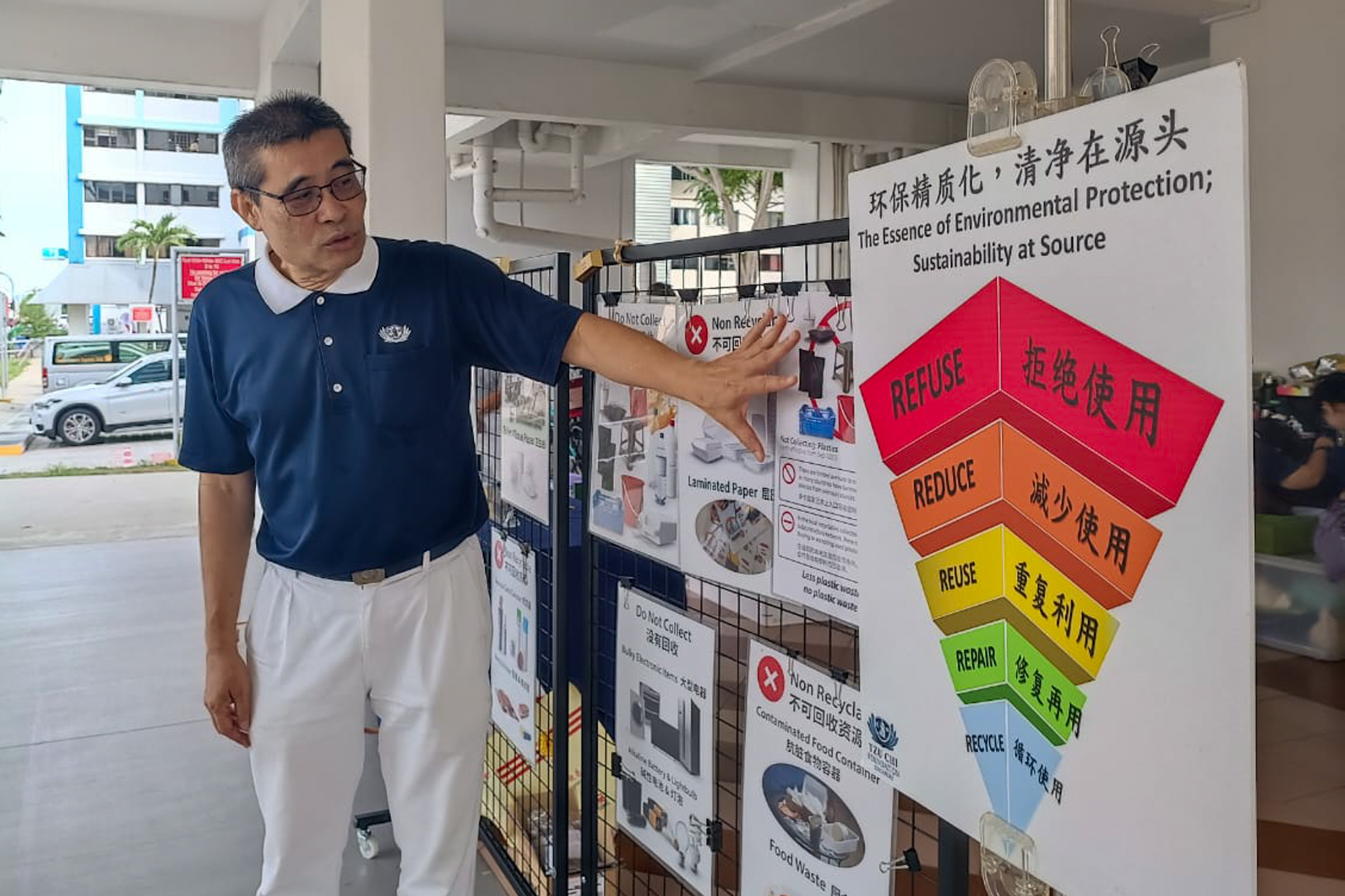
“Sustainability” means making something last for a very long time. The hope is that environmental resources won’t just be enough for our generation but will also be preserved for future generations so they can continue to live well. To sustain things long-term, we rely on the 5Rs — Refuse, Reduce, Reuse, Repair, and Recycle, which is what we often refer to in Tzu Chi as the concept of “Purity at Source.”
What I’ve observed is excessive consumption, low recycling rates, and a huge amount of waste. Human activity is placing a serious burden on the environment. Pollution today has already become very severe, and the Earth’s ability to recover can no longer keep up. When destruction happens faster than recovery, future generations will be left living in an unsafe environment.
Wong Sin Hwa
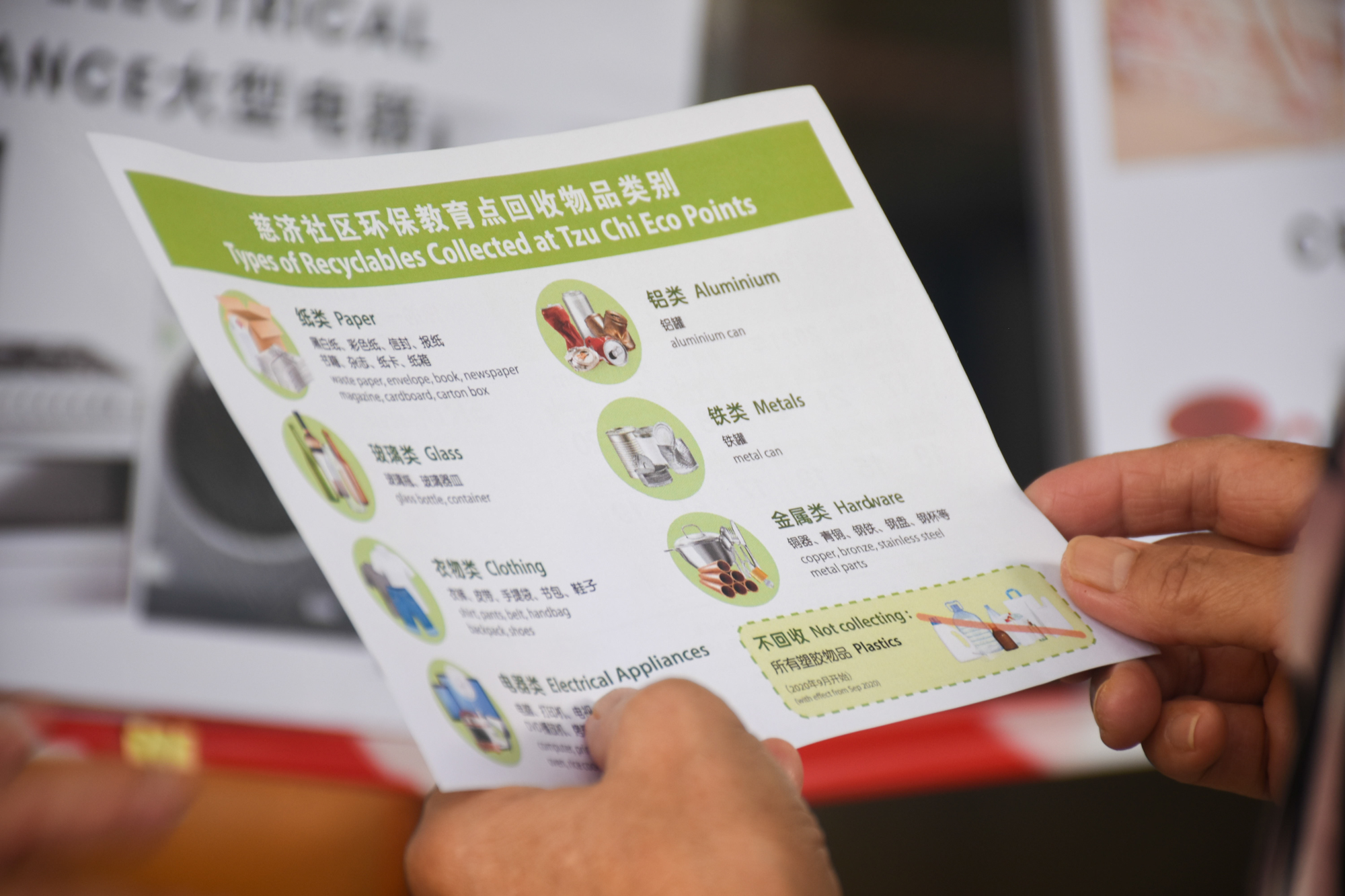
In the past, this monthly event was called “Tzu Chi Recycling Day”, and people’s understanding was limited to simply doing recycling, bringing items to us and our volunteers will get them sorted. During the COVID-19 period in 2020, we had a chance to slow down. In line with safety measures, we began to shift our approach by encouraging the public to sort recyclables themselves, while also creating more opportunities for interaction.
Since we transformed our operational approach, the name also needed to be changed. That’s why we adopted “Environmental Sustainability.” We want everyone to understand that sustainability is not just about recycling, it starts with ourselves: what we buy, what we use, and even how we eat.
(Photo by Wong Siew Kuen)
Q: This year’s Earth Day theme is “Our Power, Our Planet.” How do you think it aligns with Tzu Chi’s philosophy?
Wong Sin Hwa
This year’s theme highlights the power of individuals and communities, how they can influence policies, drive corporate transformation, shape markets, and respond to climate change.
Tzu Chi’s environmental mission began with Master Cheng Yen’s teaching: “Use your applauding hands to do recycling work.” Tzu Chi volunteers practise environmental protection by starting from the individual and expanding to the community, this is a force that can even influence a nation.
I still remember a time when we were doing street fundraising on Orchard Road. A National Environment Agency officer saw Tzu Chi volunteers picking up fallen leaves and disposing of them properly. Through this action, he felt that this group of people was truly putting their beliefs into practice. Later, he took the initiative to lead a group to visit Tzu Chi, and out of recognition, invited our volunteers to participate in official events and community outreach to promote the 5Rs. This is exactly how change begins, from individuals and grassroots efforts, gradually building up through small, consistent actions. In that sense, this year’s Earth Day theme aligns very closely with Tzu Chi’s long-standing commitment to environmental protection and sustainability.
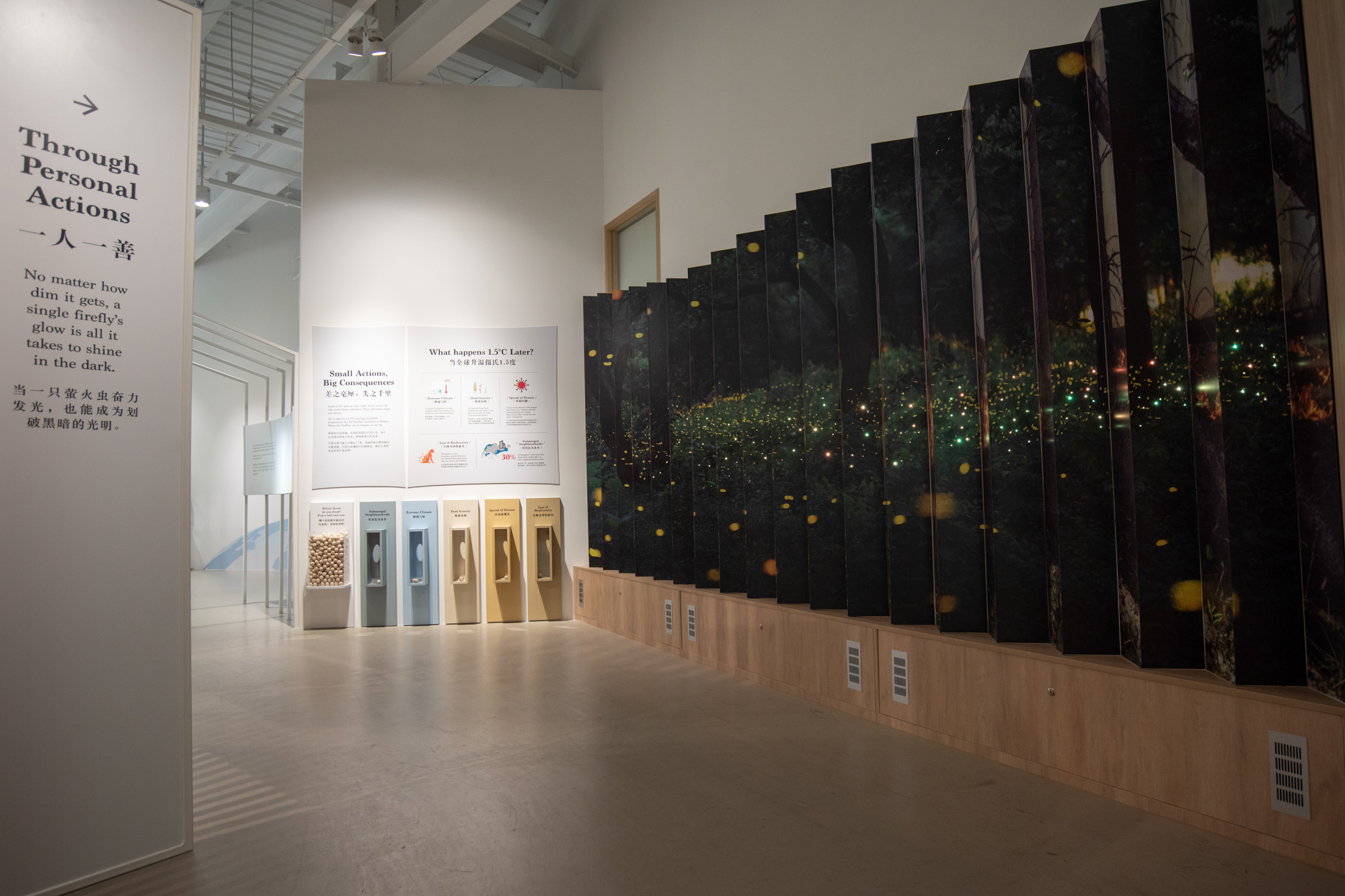
At the Tzu Chi Glow On Gallery, the “spirit of fireflies” is highlighted as a symbol of collective strength. (Photo by Wong Twee Hee)
Q: Tzu Chi has been actively promoting environmental education. Are there differences in how you engage different groups, such as young people and seniors?
Chua Wee Chong
Yes, there are differences. At our eco points, the people who come span different age groups, with different lifestyles and ways of accessing information, so our interaction has to be adapted accordingly. For example, when speaking to seniors about the 5Rs, we focus mainly on the first two—Refuse and Reduce. We would encourage them, for instance, not to take plastic bags when buying groceries or packing food, and to bring their own reusable bags and containers instead. The idea is to help them see that sustainability is directly connected to daily life.
For younger people, sometimes they respond with, “We already learned this in school.” In such cases, we would ask them if they can actually name all five Rs. That helps spark curiosity before we continue the conversation.
I’ve also met young people who say, “I’m already very eco-friendly, I do a lot.” I would affirm that they’re doing well and encourage them further by saying they can influence the people around them, whether in school or at work, to do the same.
Wong Sin Hwa
I usually tailor my approach based on what matters to the person. For seniors, I might start by asking what kind of world they hope their grandchildren will grow up in. For younger people, I get them to think about the environment they themselves will live in. The key is to make them feel that this issue is personal and relevant, before going deeper into the message. And most importantly, sincerity matters—we must also practise what we preach. Otherwise, it would feel uncomfortable when sharing about it. And most importantly, sincerity matters, we must also practise what we preach. Otherwise, it would feel uneasy when sharing about it.

(Photo by Pua Poo Toong)
Q: What is the most common question you receive when promoting environmental awareness?
Chua Wee Chong
The most common questions are, “How do we actually do this?” and “How much impact can one person really make?”
I usually share that Tzu Chi’s environmental mission started with small, everyday actions. We don’t focus on whether one person’s impact is big or small, we just hope more people are willing to try, even if they’re unsure whether they can sustain it in the long run.
We understand that at the beginning, change is often resisted because it disrupts daily habits. But once a new habit is formed, it becomes natural. I also share stories from other residents and volunteers to illustrate this.
Wong Sin Hwa
I’d like to add to the question, “How much impact can one person really make?”
When I explain, I often use data to help them visualise it. For example, if a family of five buys five breads a day, that’s five plastic bags used daily. When they calculate it themselves, they realise the number becomes huge over a year. Then I show them how simple changes, like placing bread of the same flavour into one bag, can reduce plastic use by almost half. For young people who enjoy bubble tea and feel that bringing a reusable cup is inconvenient, I might suggest starting with something smaller, like bringing their own reusable straw.
(Photo by Koh Su Jing)
Q: From your observation, are young people today more environmentally conscious than other generations, or more likely to be wasteful? And why?
Chua Wee Chong
Young people can generally be divided into two groups: those who are environmentally aware, and those who are not interested at all. Even among those who have the knowledge, not everyone takes action.
Some who are not interested simply don’t pay attention to environmental issues and are unaware of how their habits affect the ecosystem. Some may not even know where the recycling bins are in school.
In reality, every generation has both “eco warriors” and environmental polluters. It ultimately comes down to individual choices.
Wong Sin Hwa
From my observation, if young people are able to relate to or be convinced by the message, they are very strong in their ability to take action and execute.
You can see this in Singapore, Malaysia, and other countries—many environmental initiatives are led by young people. I also feel they are quite easy to engage, especially since they already have some basic environmental knowledge from school.
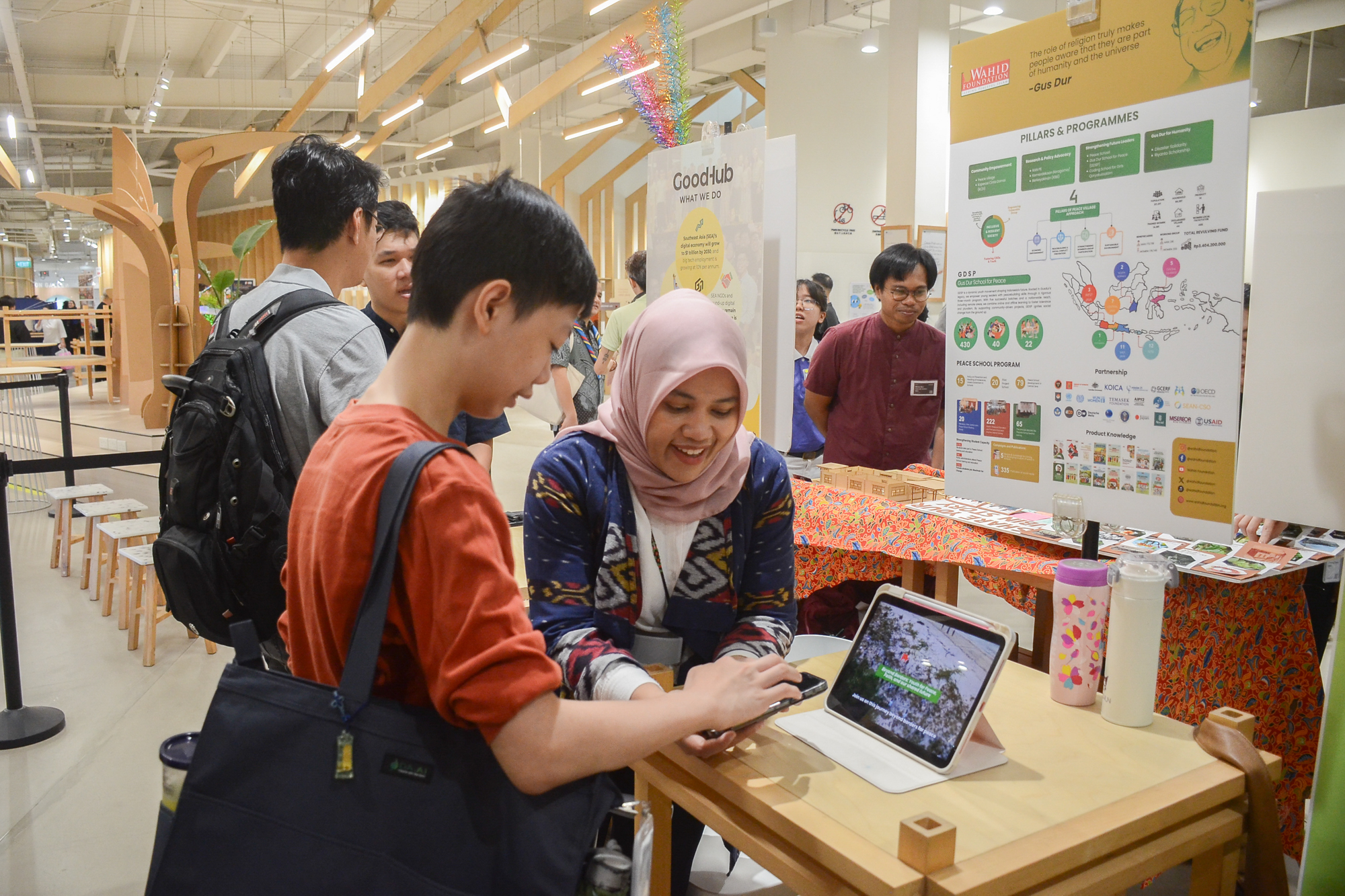
The TIYA Conference in August 2025 raised young people’s awareness of the United Nations Sustainable Development Goals and encouraged them to put them into practice through a range of diverse perspectives. (Photo by Chuah Chin Kah)
Q: How do you view the rise of fast fashion and online shopping culture? How should consumers distinguish between “wants” and “needs”?
Wong Sin Hwa
This is an unavoidable trend, online shopping has already become a way of life. The key is to avoid impulsive buying, because fast fashion also grew out of impulse buying. So what we need is responsible consumption.
We can still shop, but only buy what we truly need, and try to choose lower-carbon, good-quality products that last longer. A simple trick is to put items in the shopping cart first, then revisit it two or three days later. By then, you’ll know whether you really need it or it was just a momentary want.
Chua Wee Chong
I agree with Sin Hwa. Thinking before buying is the first line of defence. The second is to spend a bit more time understanding how a product is made and what materials are used before deciding. At the same time, companies also owe a responsibility to the wider environment; they should not produce low-quality goods purely for profit. This is very much aligned with SDG 12: Responsible Consumption and Production.
From the UN Sustainable Development Goals (SDG) perspective, there’s also SDG 7 on clean energy. If a company tries to transition to cleaner energy and reduce its carbon footprint and emissions, we should support it.
Another one is SDG 9 on innovation. If a company truly puts thought into its products and sustainability goals, it will show in the details. For example, many computer brands now no longer use Styrofoam in their packaging boxes.
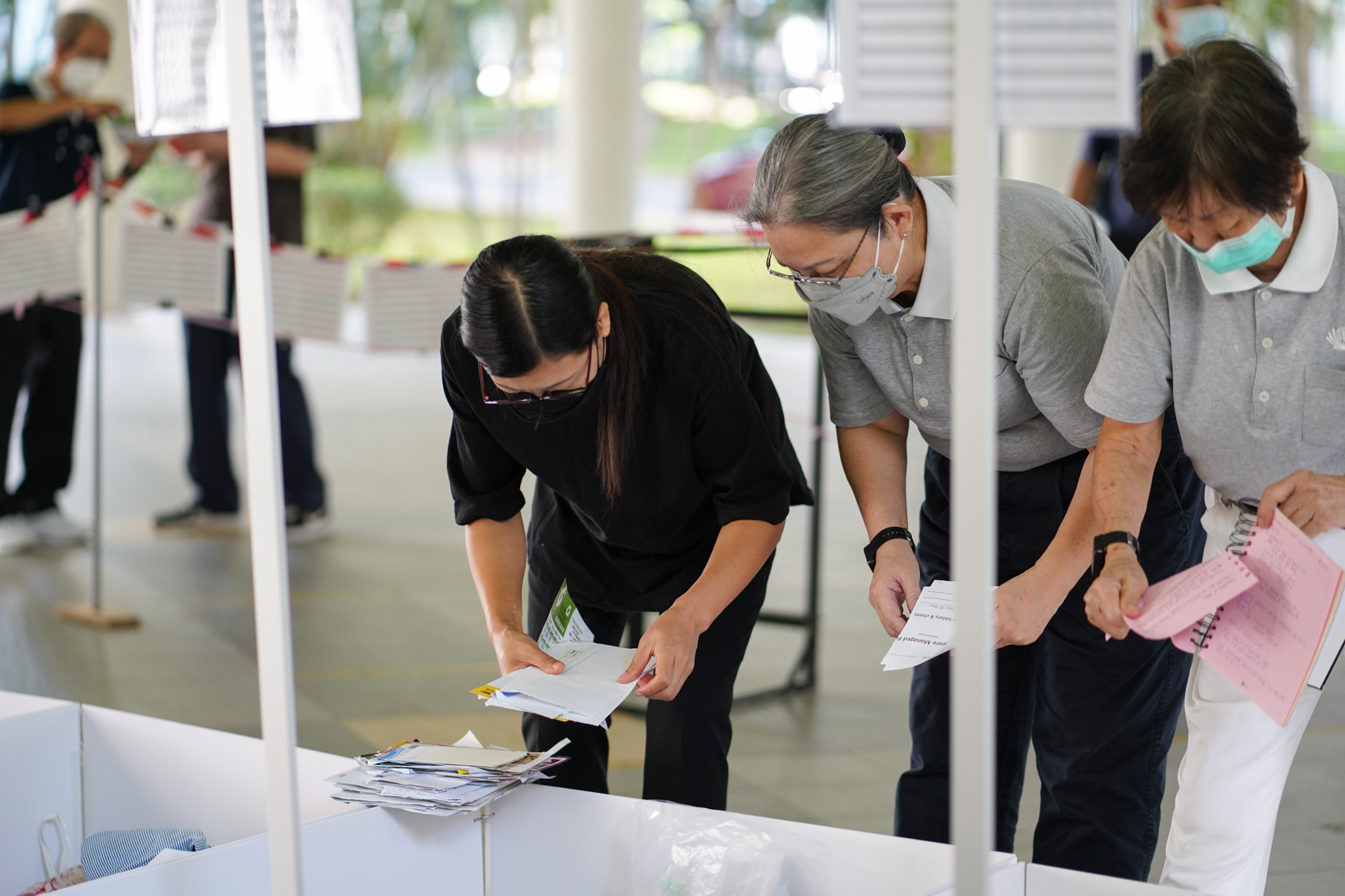
(Photo by Chan May Ching)
Q: Was there a moment that made you feel it was worthwhile to continue practising environmental protection or sustainability?
Wong Sin Hwa
It has already become a habit for me, it’s not just one moment, but every moment feels meaningful. Along this journey, I’ve met many people, and we often discuss whose responsibility it is and which organisation should take charge.
But whenever I hear these discussions, I feel grateful that we are already taking action, rather than just talking about it. In the end, if something is right, just do it first and then see how to improve along the way.
Chua Wee Chong
At every Year-End Blessing Ceremony, when I watch the Global Year-in-Review documentary, especially the scenes of natural disasters, I am reminded to stay vigilant. Singapore is very safe, but we should never take that for granted. We all live on the same Earth, under the same sky, it’s just that we are in different places. That reminds me to keep promoting environmental awareness as much as possible.
Q: If you could say one thing to young people, what would it be?
Wong Sin Hwa
Never underestimate any small action, because Earth’s fate is in our hands. It belongs to everyone, and it is the future of the younger generation.
Chua Wee Chong
Master Cheng Yen once shared a reflection on what it means to “care deeply” with a professor, and the professor’s response really touched me. He said that people often talk about saving the Earth, but are humans really above nature, to the point where we can save her?
In truth, we are part of nature, we coexist with it. We need to feel it. So, I would say to young people: “Do you feel the Earth? Do you feel this planet? Can you feel it? If you can, then it will naturally come from within you.”
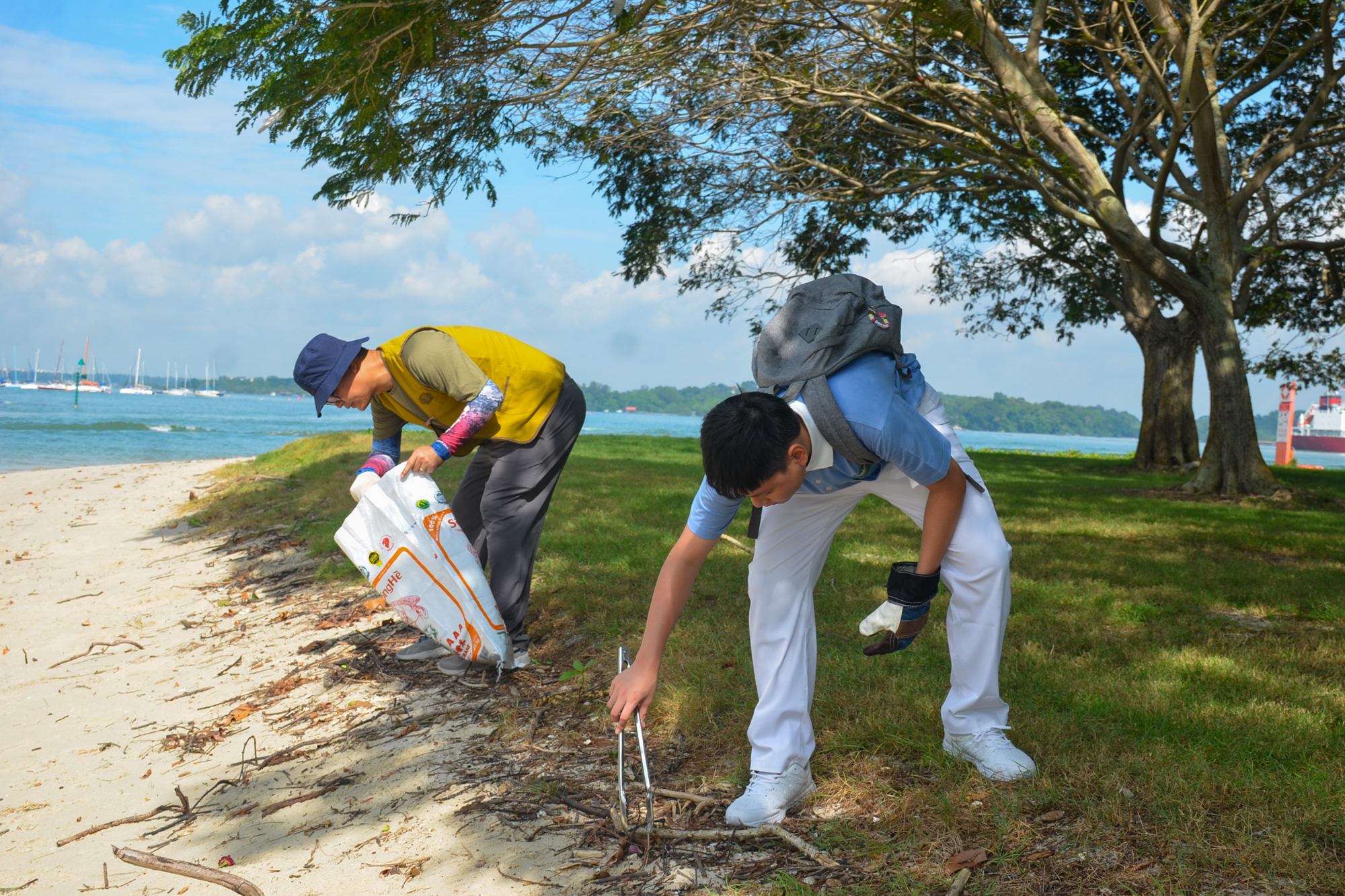
Through beach clean-up activities, Tzu Chi Teenagers gain a direct understanding of the severity of marine pollution and learn to reduce waste at source. (Photo by Chuah Chin Kah)
Q: Any final thoughts you’d like to share?
Wong Sin Hwa
I hope everyone can treat the Earth like their mother. We would care for our mother, we wouldn’t want her to suffer or fall sick. If we see the Earth in the same way, we will naturally cherish everything. Air, water, and minerals are like the Earth’s blood and organs.
Chua Wee Chong
I once came across a story where a son asked his father, “Dad, what colour was the sky in the past?” That question really stayed with me, because it suggests that one day, children may no longer be able to see the same skies we see now.
People living in cities often enjoy going back to nature. When I see these beautiful things, I wonder, can they be sustained? Will future generations still be able to see the same blue sky, the same seas, and the same earth?
Share